Foundation of Practice
Proper posture is essential for effective meditation practice. It creates the physical foundation that allows your mind to settle and your attention to stabilize. This guide covers all aspects of meditation posture, including the often-overlooked but crucial element of eye position.
Sitting Position
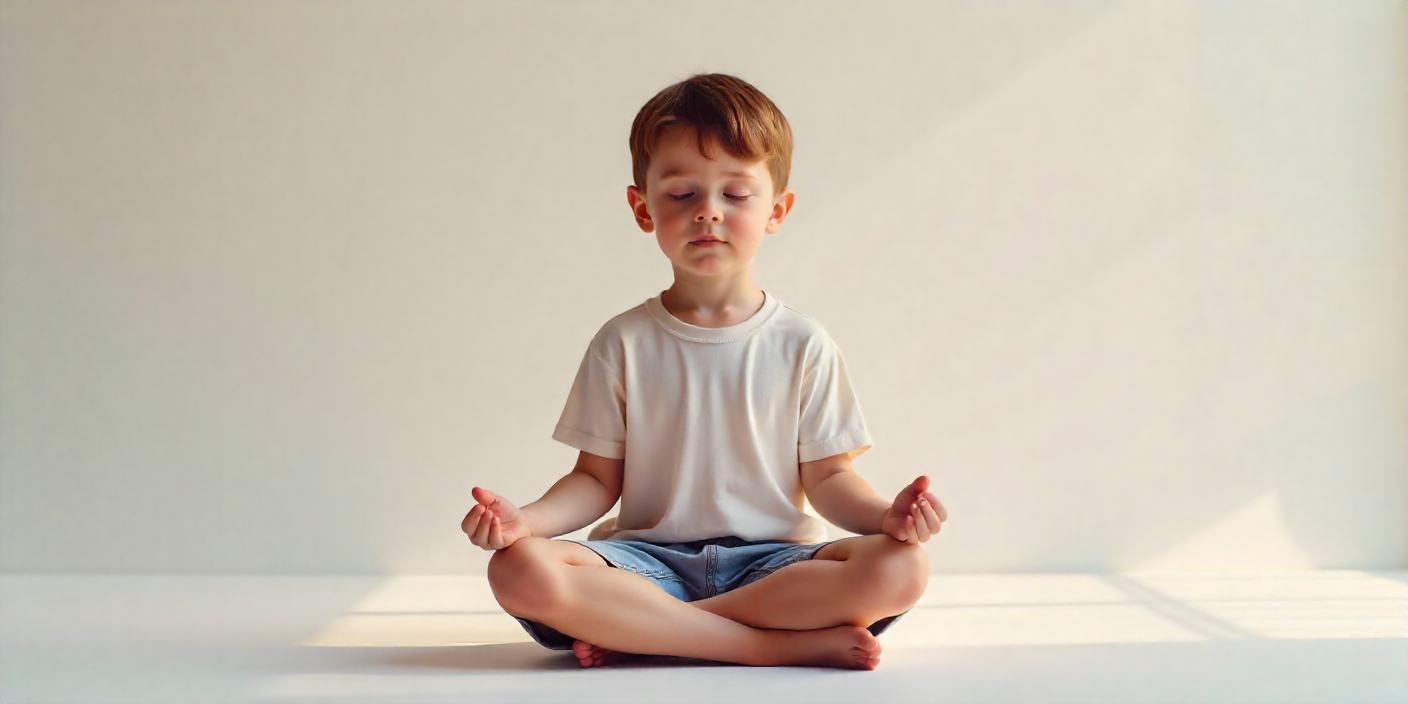
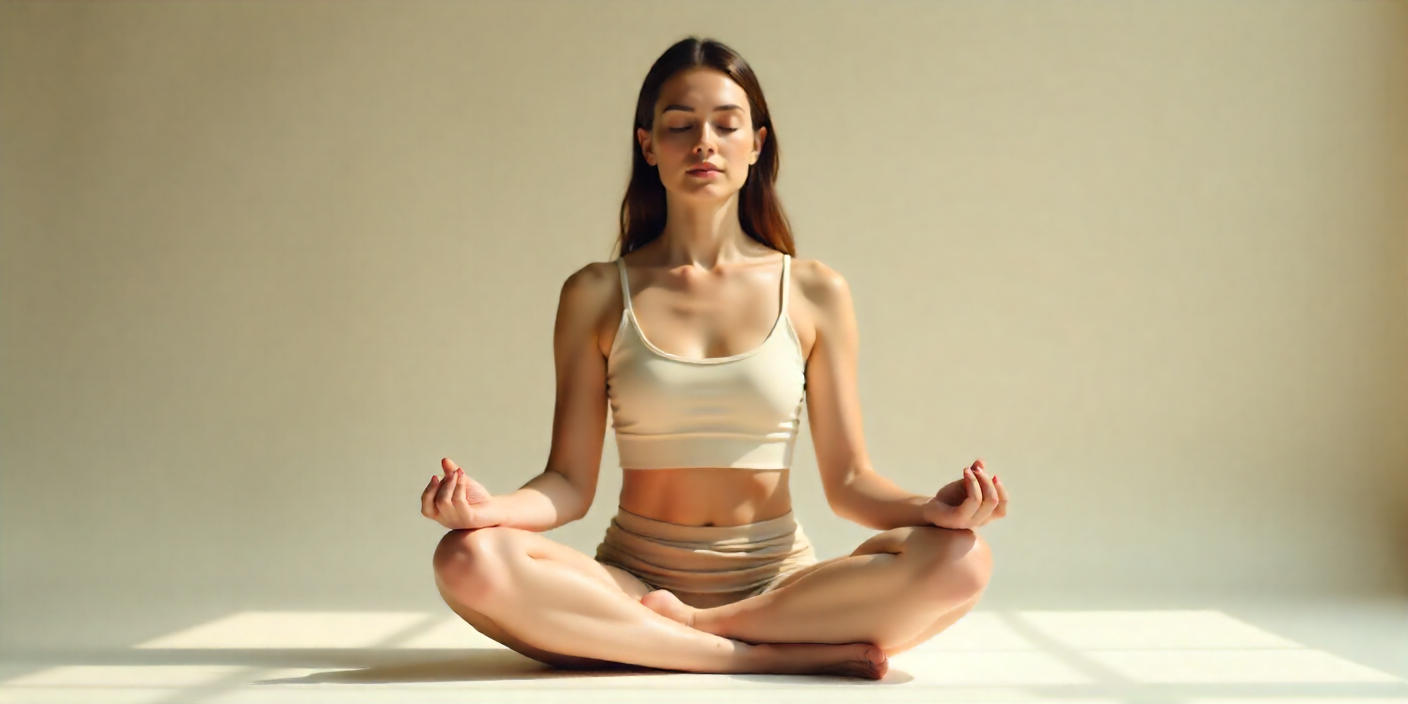
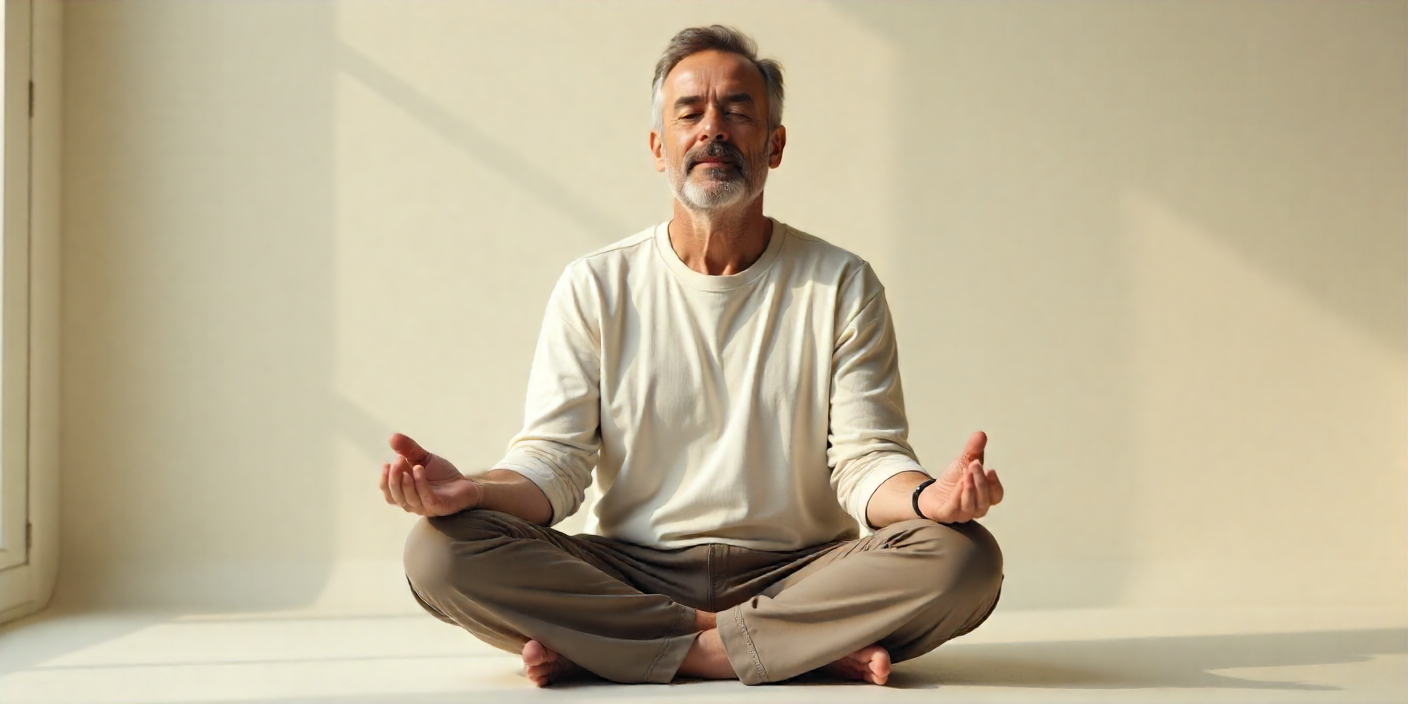
Find a comfortable, seated position that allows your spine to be straight but not rigid. You may sit on a cushion on the floor, a meditation bench, or a chair.
Available Sitting Postures:
- Chair Sitting - Sitting upright on a chair with feet flat on the floor
- Cushion Sitting - Sitting cross-legged on a meditation cushion
- Seiza Position - Kneeling with weight resting on cushion or bench
- Burmese Position - Sitting with both legs bent and resting on the floor
- Half Lotus - One foot resting on the opposite thigh
- Full Lotus - Both feet resting on opposite thighs (advanced)
Chair Sitting:
Sit toward the front edge of the chair with both feet flat on the floor. Your knees should be at or below hip level. Avoid leaning against the backrest.
Other Meditation Positions
While sitting is the most common meditation posture, these alternatives can be helpful depending on your physical needs and practice goals.
Available Alternative Postures:
- Lying Down - For body scan or relaxation practices (risk of falling asleep)
- Standing - Standing with feet shoulder-width apart. This energetic posture promotes alertness and can be particularly helpful when feeling drowsy.
Regardless of which position you choose, the key principles remain the same: maintain a straight spine, find a position that balances comfort with alertness, and keep the body relaxed yet not collapsed.
Spine Alignment
The spine should be straight but not rigid - imagine a string gently pulling upward from the crown of your head. This creates a natural S-curve that supports proper energy flow and breathing.
Key Points:
- • Sit with your hips slightly higher than your knees (use a cushion if needed)
- • Allow your lower back to maintain its natural curve
- • Relax your shoulders down and slightly back
- • Keep your chin slightly tucked to align your neck with your spine
- • Imagine your head balanced effortlessly on top of your spine
Hand Position
Your hands should rest in a comfortable position that promotes stability and relaxation.
Recommended Positions:
- Resting on Thighs - Place hands palms down on your thighs
- Cosmic Mudra - Left hand resting in right hand, palms up, thumbs lightly touching to form an oval
- Palms Up - Hands resting on thighs with palms facing upward in a receptive gesture
Choose the position that feels most natural and allows your shoulders and arms to remain relaxed.
Eye Position
Eye position is a crucial but often overlooked aspect of meditation posture. The position of your eyes directly influences your mental state during meditation.
Available Eye Positions:
- Softly Downcast - Eyes partially open with gaze resting about 3-5 feet in front of you on the floor. This is the traditional Zen approach and helps balance alertness with calmness.
- Closed - Eyelids closed gently (not squeezed shut)
- Slightly Upward - Eyes closed with attention directed slightly upward toward the eyes (between the eyebrows). This can help deepen concentration and create a sense of inner focus.
- Straight Ahead - Eyes closed with attention directed straight ahead. This neutral position works well for many practitioners.
According to the Foundation of Practice section in the Return of Attention, eye position significantly affects your mental state during meditation:
- • Downcast eye position tends to promote relaxation but may increase drowsiness
- • The ideal position balances alertness and relaxation
- • Upward eye position increases alertness and energy but may create tension
- • Experiment to find which position works best for your practice
- • Keep your gaze soft and unfocused regardless of direction
- • Avoid staring or tensing the eyes
Breathing
While not strictly posture, breathing is intimately connected to how you hold your body.
Guidelines:
- • Breathe naturally through your nose
- • Allow the breath to flow into your lower abdomen
- • Keep your chest and shoulders relaxed
- • Don't force or control the breath - simply observe it
- • Notice how your posture affects your breathing pattern
Common Issues & Solutions
Discomfort & Pain:
- Knee Pain - Use additional cushions under knees or switch to chair sitting
- Back Pain - Ensure proper lumbar support by a higher cushion or different sitting position
- Numbness in Legs - Change positions more frequently, gradually build up sitting time
- Neck Tension - Check chin position; ensure it's slightly tucked, not jutting forward
Mental States:
- Drowsiness - Try a more upward posture; strengthen spine; allow more light in the room
- Agitation - Try a more downward posture; soften the gaze; deepen breathing
- Distraction - Reestablish proper posture & often helps bring attention back